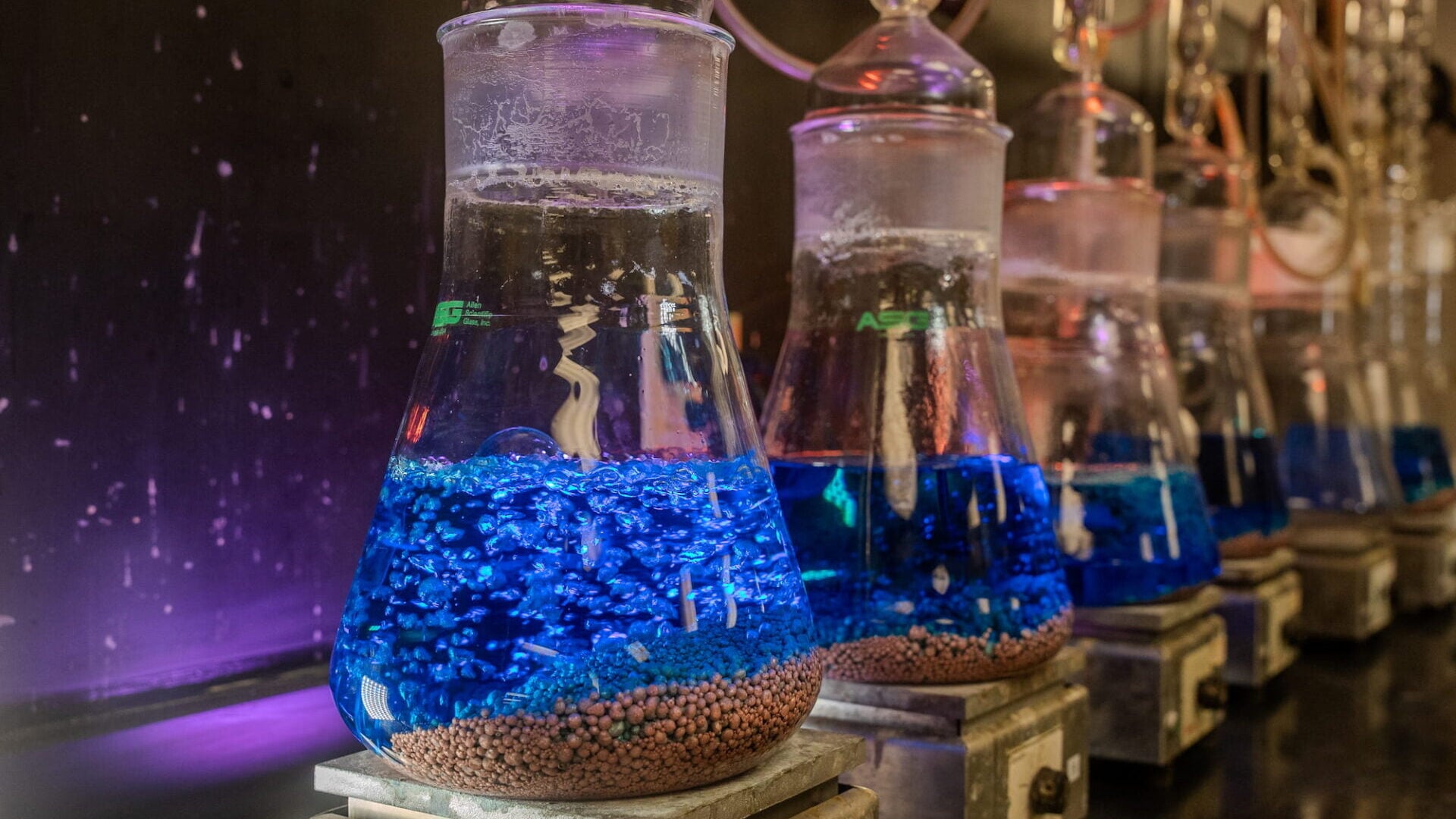
The Foundation of Metal Processing: Industrial Chemicals
Industrial chemicals are the lifeblood of the metal processing industry, enabling everything from initial cleaning to final finishing. Understanding which chemicals are used and why is crucial for manufacturers aiming for quality and efficiency. Key chemicals in metal processing include strong acids for pickling, alkaline cleaners for degreasing, and specialized solvents for finishing. These substances are in high demand across global manufacturing hubs, including Vietnam, Thailand, and Turkey, where industrial growth is booming.
Pre-Treatment Chemicals: Cleaning and Degreasing
Before any processing can occur, metal surfaces must be impeccably clean. Alkaline cleaners, such as sodium hydroxide and potassium hydroxide, are widely used to remove organic soils like oil and grease. For tougher inorganic soils like rust and scale, acid cleaners are employed. The choice of cleaner depends on the metal type and the nature of the contaminants. In the European market, stringent environmental regulations are driving a shift towards biodegradable and less hazardous cleaning agents.
Industrial chemical suppliers like Caluanie Industrial Exporter provide a comprehensive range of pre-treatment chemicals tailored to different metal substrates and manufacturing requirements. Our supply chain specialists work directly with procurement teams to ensure the right formulations are delivered on schedule.
Surface Treatment: Pickling and Etching
Pickling is a critical step that removes impurities, stains, and rust from the surface of metals like steel and aluminum. Sulfuric acid and hydrochloric acid are the most common pickling agents. The process prepares the metal for subsequent treatments like electroplating or galvanizing. Etching, a similar process, uses chemicals to create a micro-roughness on the surface to improve paint adhesion.
Demand for these acids is particularly high in the Middle East, where large-scale construction and infrastructure projects are underway. In Asia, manufacturers require consistent bulk supply to maintain production schedules across automotive and electronics manufacturing sectors.
Finishing Chemicals: Plating, Coating, and Polishing
The final appearance and durability of a metal product are determined by the finishing process. Electroplating involves depositing a thin layer of another metal (like chromium or nickel) onto the surface, requiring a solution of metal salts. Coatings provide corrosion resistance and aesthetic appeal. Polishing compounds, often containing mild abrasives and chemical agents, create a smooth, reflective surface.
As Asia's manufacturing sector continues to expand, the need for high-quality finishing chemicals is at an all-time high. Countries like Vietnam and Thailand are emerging as major consumers of these specialized chemical products.
Frequently Asked Questions
What are the most common chemicals in metal cleaning?
The most common chemicals are alkaline cleaners like sodium hydroxide for degreasing and acids like hydrochloric acid for removing rust and scale. The choice depends on the metal type and contaminant being addressed.
Why is pickling important in metal processing?
Pickling removes surface impurities, ensuring a clean and reactive surface for subsequent processes like galvanizing or painting, which is critical for quality and longevity of the final product.
Are there environmentally friendly alternatives?
Yes, the industry is increasingly adopting biodegradable cleaners and developing closed-loop acid regeneration systems to reduce environmental impact, especially in Europe where regulations are strictest.