Navigating the Complex World of International Chemical Export Logistics
Exporting industrial chemicals across borders is a complex process that requires meticulous planning, regulatory compliance, and a robust logistics network. For businesses sourcing materials from regions like Asia or supplying to markets in Europe, understanding how chemical export logistics work is fundamental to success. This guide breaks down the key components of the process, from documentation and packaging to transportation and customs clearance.
Regulatory Compliance and Documentation
The first and most critical step in chemical logistics is ensuring full compliance with international and country-specific regulations. This includes the Globally Harmonized System (GHS) for classification and labeling, as well as transport-specific rules like the IMDG Code for sea freight.
Proper documentation, such as the Safety Data Sheet (SDS), Certificate of Analysis (COA), and export licenses, is non-negotiable. Navigating the different legal frameworks when exporting to Turkey and the Middle East versus Europe requires specialized expertise that Caluanie Industrial Exporter provides to all clients.
Packaging and Handling for Safety
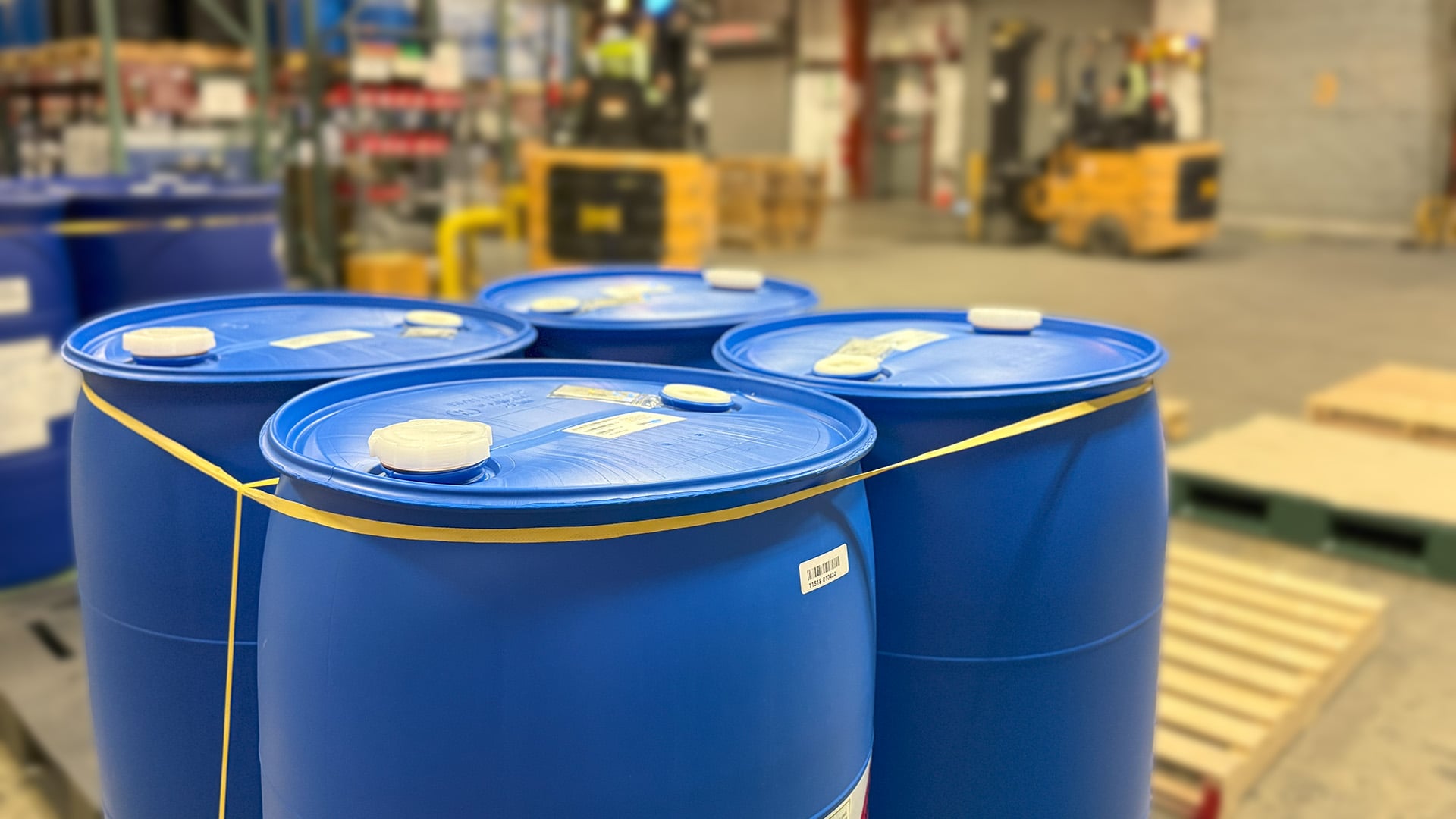
Safe transportation begins with proper packaging. Industrial chemicals must be stored in containers that prevent leaks, reactions, and contamination. The choice of packaging—from drums and IBCs to flexitanks—depends on the chemical's properties and the mode of transport.
Clear labeling with hazard symbols and handling instructions is mandatory to ensure the safety of everyone involved in the supply chain. For more on the specific chemicals involved, read our article on industrial chemicals used in metal processing.
Transportation and Freight Forwarding
Choosing the right mode of transport (sea, air, or land) involves a trade-off between cost, speed, and volume. Sea freight is the most common for bulk chemical exports, especially for long-distance routes connecting Asia with the Middle East and Europe.
A reliable freight forwarder with experience in hazardous materials is an invaluable partner. They manage the booking, coordinate with carriers, and ensure the shipment moves smoothly from the port of origin in places like Thailand or Vietnam to its final destination in Turkey or beyond.
Customs Clearance and Final Delivery
Each country has its own customs procedures and import requirements for industrial chemicals. Working with local agents who understand the regulatory landscape is essential for avoiding delays. Our team of logistics specialists coordinates end-to-end customs clearance across all our operating regions.
Understanding the global demand trends for 2026 can help businesses plan their logistics strategies more effectively and secure the best freight rates.
Frequently Asked Questions
What is the most important document for chemical exports?
The Safety Data Sheet (SDS) is arguably the most crucial document, as it provides detailed information about the chemical's properties, hazards, and safe handling procedures required by customs and transport authorities worldwide.
How do you ensure the safety of chemical shipments?
Safety is ensured through a combination of proper packaging, correct labeling according to GHS, adherence to transportation regulations, and working with experienced logistics partners who specialize in hazardous materials.
Why is a specialized freight forwarder recommended?
A specialized forwarder has the expertise to handle hazardous materials, navigate complex regulations, and manage the specific documentation required for chemical exports, reducing the risk of delays and compliance issues.